
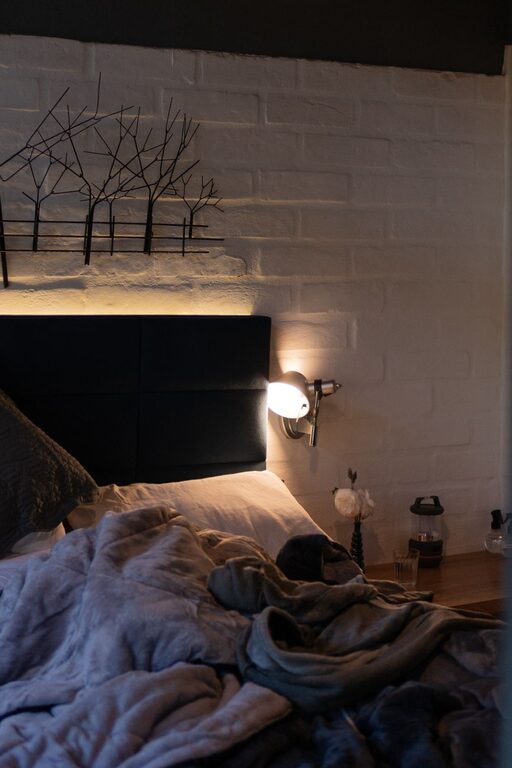
Tips for Choosing Comfortable Home Lighting
Creating a comfortable atmosphere in your home starts with the right lighting. Good lighting not only brightens a room but also affects mood, productivity, and even health. Choosing lighting that suits your needs and style can transform any space into a welcoming and relaxing environment.
In this post, we’ll explore tips for selecting comfortable home lighting, from understanding different types of lights to placement ideas and energy-saving options.
Understanding Lighting Types
Before buying fixtures or bulbs, it’s helpful to understand the basic types of lighting:
– Ambient Lighting: This is the main source of light in a room, providing overall illumination. Examples include ceiling-mounted fixtures and recessed lights.
– Task Lighting: Designed to illuminate specific activities like reading, cooking, or working. Desk lamps, under-cabinet lights, and vanity lights fall into this category.
– Accent Lighting: Used to highlight architectural features, artwork, or plants. Spotlights, track lighting, and wall sconces are common accent options.
Balancing these types ensures your rooms are well-lit without harshness or shadows.
Choose the Right Color Temperature
Color temperature is measured in Kelvins (K) and influences the warmth or coolness of light:
– Warm Light (2700K–3000K): Creates a cozy, inviting feel, ideal for living rooms and bedrooms.
– Neutral White (3500K–4100K): Offers a balance suited for kitchens and bathrooms where clarity is important.
– Cool White (5000K–6500K): Bright and energizing, this is common in workspaces but can feel stark in living areas.
For comfortable home lighting, aim for warm to neutral tones in most rooms. Avoid overly cool lights in spaces where relaxation is a priority.
Prioritize Adjustable and Layered Lighting
Having control over lighting levels helps match the light to different times of day and activities:
– Dimmers: Installing dimmer switches allows you to adjust brightness easily and create mood lighting.
– Multiple Light Sources: Combine ceiling lights with table lamps, floor lamps, or wall fixtures to add depth and flexibility.
– Smart Lighting: Consider smart bulbs that can change color and brightness via an app or voice assistant, giving you even more control.
Layered lighting lets you customize your environment to be bright and functional or soft and tranquil as needed.
Select Comfortable Bulbs
The type of bulb affects the quality and feel of light:
– LED Bulbs: Energy-efficient, long-lasting, and available in many color temperatures. LEDs are the top choice for home lighting.
– Incandescent Bulbs: Provide warm light but use more energy and generate heat.
– CFL Bulbs: More efficient than incandescent but contain small amounts of mercury and take time to warm up.
Look for bulbs with a high Color Rendering Index (CRI) of 80 or above. High CRI bulbs show colors more naturally, which enhances comfort.
Consider Fixture Design and Placement
The fixture itself influences how light spreads and feels in a room:
– Shade Materials: Fabric or frosted glass shades soften light, reducing glare.
– Directional Fixtures: Adjustable heads or spotlights help target areas without flooding the room with harsh light.
– Placement Tips:
– Avoid placing lights directly above seating to prevent shadows on faces.
– Use indirect lighting pointing toward walls or ceilings for a gentle glow.
– Ensure task lights are positioned to avoid casting shadows where you need clear light.
Planning fixture placement carefully will improve both comfort and aesthetics.
Address Natural Light and Window Treatments
Natural light complements artificial lighting and affects comfort throughout the day:
– Make the most of windows by keeping them unobstructed during daylight.
– Use sheer curtains or blinds to diffuse strong sunlight and reduce glare.
– At night, layered artificial lighting should fill in where natural light leaves off.
Adjusting window treatments seasonally can help regulate indoor lighting and temperature.
Energy Efficiency and Sustainability
Comfortable home lighting doesn’t have to come with high energy bills:
– LEDs: Use up to 75% less energy than incandescent bulbs.
– Smart Controls: Timers and motion sensors ensure lights are on only when needed.
– Energy Star Certified Fixtures: These meet efficiency standards and help lower utility costs.
Choosing energy-efficient options supports comfort and sustainability.
Final Thoughts
Choosing comfortable home lighting is about combining different light types, selecting the right color temperature, using adjustable controls, and carefully placing fixtures. With these tips, you can create a well-lit home that feels inviting and supports your daily activities.
Experiment with different setups to find what works best for your space and lifestyle. Lighting is an essential part of interior design that brings warmth and functionality to every room.
