
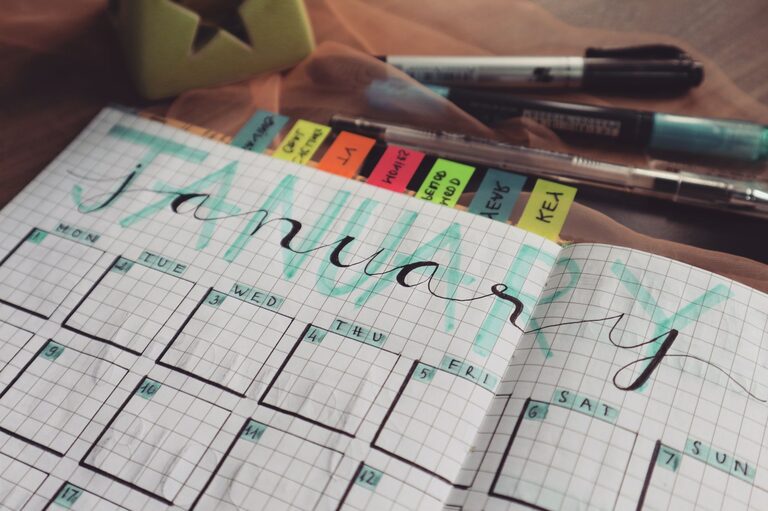
How to Plan a No-Stress Weekend: A Simple Guide to Relaxation
Taking a break is essential for maintaining balance in our busy lives. A well-planned weekend without stress can help you refresh your mind and body, making the transition to a new week smoother and more enjoyable. If you want to create a weekend that truly feels like a break, this guide will walk you through practical steps to plan a no-stress weekend.
Why Plan a No-Stress Weekend?
Weekends often become another source of stress because of last-minute plans or trying to fit too much in. Planning ahead allows you to slow down, prioritize your well-being, and enjoy the simple pleasures that help reduce stress. This intentional approach gives you space to relax without feeling rushed or overwhelmed.
Step 1: Set Clear Intentions
Before your weekend begins, think about what you want to achieve. Do you want to rest, spend time with loved ones, or pursue a hobby? Setting clear intentions helps guide your activities and prevents you from overcommitting.
How to Set Intentions:
– Write down one or two goals for your weekend (e.g., “rest for at least one afternoon” or “take a walk each day”).
– Keep your goals realistic and focused on relaxation.
– Use your intentions as a gentle reminder throughout the weekend.
Step 2: Plan Your Time, But Keep It Flexible
Having a loose schedule can help you avoid decision fatigue and last-minute stress. However, flexibility is key—allow room for spontaneity and rest.
Tips for Scheduling:
– Identify key activities that support relaxation (like reading, cooking a favorite meal, or meditating).
– Block off time in your calendar for these activities.
– Leave blank spaces to do nothing or adjust plans as you feel.
Step 3: Create a Comfortable Environment
Your surroundings play a big role in how relaxed you feel. A tidy, inviting space can encourage calm and help you unwind.
Ways to Create a Relaxing Space:
– Declutter common areas before the weekend starts.
– Add cozy touches like soft blankets, candles, or calming scents.
– Make sure your space has natural light and fresh air if possible.
Step 4: Disconnect from Work and Digital Stressors
Turning off work emails and limiting screen time can dramatically lower stress levels. Try to reserve your devices for leisure or creative activities rather than work or social media checking.
Ideas to Disconnect:
– Set an “off work” time on Friday evening and stick to it.
– Use airplane mode or focus modes on your phone to avoid distractions.
– Engage in offline hobbies like puzzles, crafting, or journaling.
Step 5: Prioritize Rest and Sleep
Quality sleep and rest are crucial for reducing stress. Use your weekend to catch up on sleep or practice relaxing rituals before bedtime.
Restful Weekend Practices:
– Go to bed and wake up at similar times each day.
– Avoid caffeine or heavy meals before sleep.
– Try gentle stretches, reading, or listening to soothing music before bed.
Step 6: Include Gentle Physical Activity
Physical movement helps reduce stress hormones and boost mood. Stick to gentle exercises that you enjoy rather than intense workouts.
Low-Stress Activities:
– Walking in nature or around your neighborhood.
– Yoga or stretching routines.
– Light gardening or house chores done at a relaxed pace.
Step 7: Nourish Yourself with Simple, Healthy Meals
Eating nourishing food supports your overall well-being. Preparing simple meals without pressure can make mealtime enjoyable rather than stressful.
Tips for Weekend Meals:
– Plan a few easy recipes in advance.
– Use fresh, whole ingredients.
– Enjoy meals without distractions like TV or phones.
Step 8: Connect with Loved Ones or Enjoy Solitude
Depending on your preference, spending quality time with family or taking moments alone can both be beneficial.
Ways to Connect or Recharge:
– Schedule a casual coffee or walk with a friend.
– Enjoy solitude with a good book or a favorite hobby.
– Practice mindfulness or meditation to center yourself.
Final Thoughts
Planning a no-stress weekend is about creating an experience that supports your relaxation and happiness. By setting intentions, managing your time thoughtfully, and caring for your environment and body, you can make your weekends something to look forward to. Remember, the goal is to reduce stress, so be kind to yourself and allow flexibility for whatever feels right.
Start with small changes and see how your weekends transform. With practice, a calm and rejuvenating weekend will become a natural part of your routine.
